The evolution of electric vehicle (EV) charging infrastructure is driven by technological innovation, policy support, market demand, and sustainability goals. Below is a detailed analysis of key trends:
1. Technological Innovations
(1) Ultra-Fast Charging Dominance
- High-Voltage Platforms: Adoption of 800V+ systems (e.g., Porsche Taycan, XPeng G9) reduces charging time to 15–20 minutes for 80% capacity. Liquid-cooled ultra-fast chargers (e.g., Huawei’s 600kW stations) are being deployed globally.
- Megawatt Charging: DC fast chargers are scaling from 120kW to 480kW–1MW, compatible with Tesla V4 Superchargers, CCS2, and future standards.
(2) Smart & Connected Systems
- Grid-Adaptive Charging: Dynamic power adjustment based on grid load (e.g., Tesla’s Magic Dock).
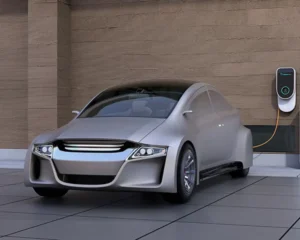
- Vehicle-to-Everything (V2X): AC chargers enabling bidirectional energy flow for vehicle-to-grid (V2G) and vehicle-to-home (V2H) applications (e.g., BYD’s bidirectional charging).
(3) Wireless Charging Pilots
- Static Wireless: Inductive charging pads in parking lots (e.g., BMW and NIO pilot projects).
- Dynamic Wireless: In-road charging lanes for continuous power supply during driving (tested in Sweden and South Korea).
2. Policy & Infrastructure Drivers
(1) Global Government Initiatives
- China: The “14th Five-Year Plan” targets a vehicle-to-charger ratio of 2:1 by 2025, with “moderately超前” (ahead-of-demand) charging networks.
- EU/US: The U.S. Inflation Reduction Act allocates $5B for nationwide charging networks; the EU mandates a fast charger every 60 km on highways by 2030.
(2) Standardization Efforts
- Unified Connectors: Convergence of CCS (EU/US), GB/T (China), and CHAdeMO (Japan), with Tesla’s NACS gaining adoption (Ford, GM).
- Plug & Charge: ISO 15118 protocol enables automatic authentication/payment (e.g., Porsche, NIO).
3. Business Model Innovations
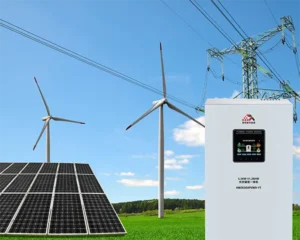
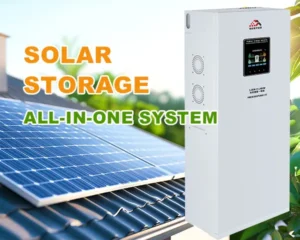
(1) Integrated Solar-Storage-Charging Hubs
- Renewable Integration: Charging stations paired with solar panels and batteries (e.g., Tesla V4 Superchargers).
- Peak Shaving: Energy storage systems store off-peak electricity for resale during high-demand periods.
(2) Shared Charging & Virtual Power Plants (VPPs)
- Private Charger Sharing: Apps monetize idle home chargers (e.g., Star Charge’s “Private Pile Sharing”).
- Grid Services Aggregation: VPPs pool distributed chargers to stabilize grids (pilots in Shanghai and California).
4. User Experience Enhancements
(1) Urban Coverage Expansion
- Compact Ultra-Fast Chargers: Liquid cooling reduces size for urban spaces (e.g., Huawei’s “1 km per second” chargers).
- Community Slow Charging: Shared 7kW AC chargers in residential areas with time-of-use pricing.
(2) Multi-Scenario Solutions
- Commercial Fleet Chargers: High-power dual-gun chargers for trucks/buses (e.g., ABB Terra 360).
- Battery Swap + Charging: NIO and CATL promote hybrid stations for flexibility.
5. Sustainability Challenges
- Grid Strain: Ultra-fast charging demands grid upgrades (e.g., Shenzhen’s “Supercharging City” plan).
- Battery Degradation: Balancing fast charging with battery longevity via advanced BMS and charging algorithms.
- Supply Chain Risks: Dependence on critical components (e.g., IGBT chips, liquid-cooling modules).
Future Outlook
- 2025 Milestone: Ultra-fast charger costs drop 50%, with highway and urban coverage nearing saturation.
- 2030 Vision: Wireless charging commercialization and V2G maturity, positioning chargers as smart energy nodes.
Conclusion: EV charging infrastructure is transitioning from “energy refill points” to “smart energy hubs,” driven by tech breakthroughs, policy alignment, and ecosystem collaboration. It will play a pivotal role in achieving carbon neutrality.
Analysis of Development Trends in EV Charging Infrastructure
The evolution of electric vehicle (EV) charging infrastructure is driven by technological innovation, policy support, market demand, and sustainability goals. Below is a detailed analysis of key trends:
1. Technological Innovations
(1) Ultra-Fast Charging Dominance
- High-Voltage Platforms: Adoption of 800V+ systems (e.g., Porsche Taycan, XPeng G9) reduces charging time to 15–20 minutes for 80% capacity. Liquid-cooled ultra-fast chargers (e.g., Huawei’s 600kW stations) are being deployed globally.
- Megawatt Charging: DC fast chargers are scaling from 120kW to 480kW–1MW, compatible with Tesla V4 Superchargers, CCS2, and future standards.
(2) Smart & Connected Systems
- Grid-Adaptive Charging: Dynamic power adjustment based on grid load (e.g., Tesla’s Magic Dock).
- Vehicle-to-Everything (V2X): AC chargers enabling bidirectional energy flow for vehicle-to-grid (V2G) and vehicle-to-home (V2H) applications (e.g., BYD’s bidirectional charging).
(3) Wireless Charging Pilots
- Static Wireless: Inductive charging pads in parking lots (e.g., BMW and NIO pilot projects).
- Dynamic Wireless: In-road charging lanes for continuous power supply during driving (tested in Sweden and South Korea).
2. Policy & Infrastructure Drivers
(1) Global Government Initiatives
- China: The “14th Five-Year Plan” targets a vehicle-to-charger ratio of 2:1 by 2025, with “moderately超前” (ahead-of-demand) charging networks.
- EU/US: The U.S. Inflation Reduction Act allocates $5B for nationwide charging networks; the EU mandates a fast charger every 60 km on highways by 2030.
(2) Standardization Efforts
- Unified Connectors: Convergence of CCS (EU/US), GB/T (China), and CHAdeMO (Japan), with Tesla’s NACS gaining adoption (Ford, GM).
- Plug & Charge: ISO 15118 protocol enables automatic authentication/payment (e.g., Porsche, NIO).
3. Business Model Innovations
(1) Integrated Solar-Storage-Charging Hubs
- Renewable Integration: Charging stations paired with solar panels and batteries (e.g., Tesla V4 Superchargers).
- Peak Shaving: Energy storage systems store off-peak electricity for resale during high-demand periods.
(2) Shared Charging & Virtual Power Plants (VPPs)
- Private Charger Sharing: Apps monetize idle home chargers (e.g., Star Charge’s “Private Pile Sharing”).
- Grid Services Aggregation: VPPs pool distributed chargers to stabilize grids (pilots in Shanghai and California).
4. User Experience Enhancements
(1) Urban Coverage Expansion
- Compact Ultra-Fast Chargers: Liquid cooling reduces size for urban spaces (e.g., Huawei’s “1 km per second” chargers).
- Community Slow Charging: Shared 7kW AC chargers in residential areas with time-of-use pricing.
(2) Multi-Scenario Solutions
- Commercial Fleet Chargers: High-power dual-gun chargers for trucks/buses (e.g., ABB Terra 360).
- Battery Swap + Charging: NIO and CATL promote hybrid stations for flexibility.
5. Sustainability Challenges
- Grid Strain: Ultra-fast charging demands grid upgrades (e.g., Shenzhen’s “Supercharging City” plan).
- Battery Degradation: Balancing fast charging with battery longevity via advanced BMS and charging algorithms.
- Supply Chain Risks: Dependence on critical components (e.g., IGBT chips, liquid-cooling modules).
Future Outlook
- 2025 Milestone: Ultra-fast charger costs drop 50%, with highway and urban coverage nearing saturation.
- 2030 Vision: Wireless charging commercialization and V2G maturity, positioning chargers as smart energy nodes.
Conclusion: EV charging infrastructure is transitioning from “energy refill points” to “smart energy hubs,” driven by tech breakthroughs, policy alignment, and ecosystem collaboration. It will play a pivotal role in achieving carbon neutrality.