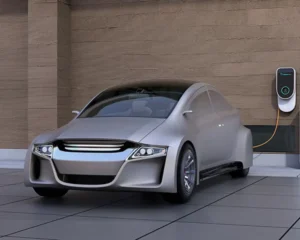
Home EV charging stations (typically AC slow chargers) have different requirements for high-voltage relays compared to commercial fast chargers, focusing on safety, stability, compact size, and cost-effectiveness. Below are the key selection criteria:
1. Electrical Performance Requirements
(1) Current and Voltage Matching
- Rated Current: Home chargers typically range from 16A to 32A (single-phase 7kW or three-phase 11kW), with some high-end models supporting 40A to 63A (three-phase 22kW).
- Rated Voltage: Single-phase 220V or three-phase 380V; relays must match the corresponding voltage level (250V–500V AC).
Reference: The document mentions that AC slow chargers typically use cost-effective electromagnetic relays (Page 13).
(2) Switching Endurance
- Operation Cycles: Home chargers are used 1–2 times daily, requiring relays with a lifespan of ≥10,000 cycles (10+ years of use).
- Arc Resistance: AC arcs are easier to extinguish than DC, but optimized contact materials (e.g., silver alloy) are still needed to minimize erosion.
Reference: Charging station relays require 3,000–100,000 cycles (Page 15).
2. Environmental Adaptability Home EV Charging Stations
(1) Ingress Protection (IP Rating)
- Indoor Installation (e.g., garage): IP54 (dust and splash-proof).
- Outdoor Installation (e.g., private parking): IP65 or higher to resist rain and dust.
Reference: Outdoor chargers require IP67 (Page 3), but home units can use slightly lower standards.
(2) Temperature Range
- Operating Temperature: -20°C to 60°C (home environments are milder than commercial settings).
- Heat Dissipation: Passive cooling is sufficient (quieter than forced-air cooling).
3. Safety Requirements
(1) Overload and Short-Circuit Protection
- Current Margin: Select relays rated 125% of operating current (e.g., 40A relay for a 32A charger).
- Short-Circuit Protection: Must work with circuit breakers or fuses to prevent contact welding during faults.
Reference: The document emphasizes a 20% safety margin (Page 13).
(2) Leakage Protection (RCD)
- Chargers must integrate Type A or B Residual Current Devices (RCDs) to prevent electric shock.
- Relays must coordinate with RCDs to ensure rapid power cutoff during faults.
(3) Surge and Lightning Protection
- For outdoor installations, relays should be paired with Surge Protection Devices (SPDs) to guard against lightning or grid fluctuations.
4. Mechanical Design
(1) Compact and Quiet Operation
- Home chargers have limited space, requiring compact relays (e.g., PCB-mounted types).
- Low Noise: Electromagnetic relays should have noise-dampening designs to avoid audible clicking during operation.
(2) Ease of Maintenance
- Modular designs enable quick replacement, reducing maintenance costs.
5. Cost and Cost-Effectiveness
(1) Economical Material Selection
- Home chargers are cost-sensitive; silver alloy contacts (instead of pure silver) balance longevity and affordability.
- Recommended options: Latching Relays (energy-efficient, long life) or Standard Electromagnetic Relays (low cost).
Reference: AC slow chargers favor cost-effective electromagnetic relays (Page 13).
(2) Smart Features (Optional)
- Premium home chargers may integrate Wi-Fi/4G connectivity; relays should support smart control modules.
Summary: Key Relay Selection Criteria for Home Chargers
| Key Parameter | Recommended Specs | Notes |
|---|---|---|
| Rated Current | 16A–63A (based on power needs) | 20% margin (e.g., 40A for 32A) |
| Voltage Rating | 250V–500V AC | Single- or three-phase |
| IP Rating | IP54 (indoor)/IP65 (outdoor) | Outdoor units need rainproofing |
| Lifespan | ≥10,000 cycles | 10+ years of use |
| Safety Protections | RCD + surge protection | Prevents shocks/lightning damage |
| Cost Optimization | Economical electromagnetic/latching relays | Silver alloy contacts |
Final Recommendations:
- Basic Home Chargers (7kW–11kW): Use 40A–63A AC electromagnetic relays (e.g., Hongfa HF46F series).
- Premium Smart Chargers (22kW): Opt for latching relays (energy-saving, longer lifespan).
- Outdoor Installation: Ensure IP65 + surge protection to withstand environmental stress.
SEO Keywords:
Home EV charging relay, AC charging relay, IP65 protection, latching relay, residential EV charger.