The evolution of electric vehicle (EV) charging infrastructure is driven by technological innovation, policy support, market demand, and sustainability goals. Below is a detailed analysis of key trends:
1. Technological Innovations
(1) Ultra-Fast Charging Dominance
- High-Voltage Platforms: Adoption of 800V+ systems (e.g., Porsche Taycan, XPeng G9) reduces charging time to 15–20 minutes for 80% capacity. Liquid-cooled ultra-fast chargers (e.g., Huawei’s 600kW stations) are being deployed globally.
- Megawatt Charging: DC fast chargers are scaling from 120kW to 480kW–1MW, compatible with Tesla V4 Superchargers, CCS2, and future standards.
(2) Smart & Connected Systems
- Grid-Adaptive Charging: Dynamic power adjustment based on grid load (e.g., Tesla’s Magic Dock).
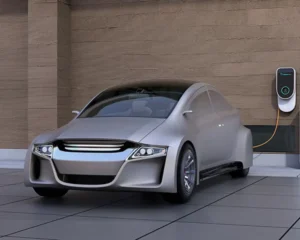
- Vehicle-to-Everything (V2X): AC chargers enabling bidirectional energy flow for vehicle-to-grid (V2G) and vehicle-to-home (V2H) applications (e.g., BYD’s bidirectional charging).
(3) Wireless Charging Pilots
- Static Wireless: Inductive charging pads in parking lots (e.g., BMW and NIO pilot projects).
- Dynamic Wireless: In-road charging lanes for continuous power supply during driving (tested in Sweden and South Korea).
2. Policy & Infrastructure Drivers
(1) Global Government Initiatives
- China: The “14th Five-Year Plan” targets a vehicle-to-charger ratio of 2:1 by 2025, with “moderately超前” (ahead-of-demand) charging networks.
- EU/US: The U.S. Inflation Reduction Act allocates $5B for nationwide charging networks; the EU mandates a fast charger every 60 km on highways by 2030.
(2) Standardization Efforts
- Unified Connectors: Convergence of CCS (EU/US), GB/T (China), and CHAdeMO (Japan), with Tesla’s NACS gaining adoption (Ford, GM).
- Plug & Charge: ISO 15118 protocol enables automatic authentication/payment (e.g., Porsche, NIO).
3. Business Model Innovations
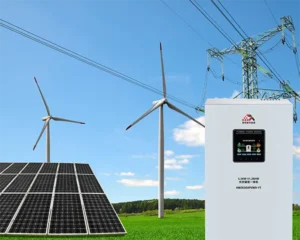
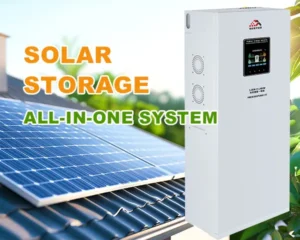
(1) Integrated Solar-Storage-Charging Hubs
- Renewable Integration: Charging stations paired with solar panels and batteries (e.g., Tesla V4 Superchargers).
- Peak Shaving: Energy storage systems store off-peak electricity for resale during high-demand periods.
(2) Shared Charging & Virtual Power Plants (VPPs)
- Private Charger Sharing: Apps monetize idle home chargers (e.g., Star Charge’s “Private Pile Sharing”).
- Grid Services Aggregation: VPPs pool distributed chargers to stabilize grids (pilots in Shanghai and California).
4. User Experience Enhancements
(1) Urban Coverage Expansion
- Compact Ultra-Fast Chargers: Liquid cooling reduces size for urban spaces (e.g., Huawei’s “1 km per second” chargers).
- Community Slow Charging: Shared 7kW AC chargers in residential areas with time-of-use pricing.
(2) Multi-Scenario Solutions
- Commercial Fleet Chargers: High-power dual-gun chargers for trucks/buses (e.g., ABB Terra 360).
- Battery Swap + Charging: NIO and CATL promote hybrid stations for flexibility.
5. Sustainability Challenges
- Grid Strain: Ultra-fast charging demands grid upgrades (e.g., Shenzhen’s “Supercharging City” plan).
- Battery Degradation: Balancing fast charging with battery longevity via advanced BMS and charging algorithms.
- Supply Chain Risks: Dependence on critical components (e.g., IGBT chips, liquid-cooling modules).
Future Outlook
- 2025 Milestone: Ultra-fast charger costs drop 50%, with highway and urban coverage nearing saturation.
- 2030 Vision: Wireless charging commercialization and V2G maturity, positioning chargers as smart energy nodes.
Conclusion: EV charging infrastructure is transitioning from “energy refill points” to “smart energy hubs,” driven by tech breakthroughs, policy alignment, and ecosystem collaboration. It will play a pivotal role in achieving carbon neutrality.
电动汽车充电基础设施发展趋势分析
The evolution of electric vehicle (EV) charging infrastructure is driven by technological innovation, policy support, market demand, and sustainability goals. Below is a detailed analysis of key trends:
1. Technological Innovations
(1) Ultra-Fast Charging Dominance
- High-Voltage Platforms: Adoption of 800V+ systems (e.g., Porsche Taycan, XPeng G9) reduces charging time to 15–20 minutes for 80% capacity. Liquid-cooled ultra-fast chargers (e.g., Huawei’s 600kW stations) are being deployed globally.
- Megawatt Charging: DC fast chargers are scaling from 120kW to 480kW–1MW, compatible with Tesla V4 Superchargers, CCS2, and future standards.
(2) Smart & Connected Systems
- Grid-Adaptive Charging: Dynamic power adjustment based on grid load (e.g., Tesla’s Magic Dock).
- Vehicle-to-Everything (V2X): AC chargers enabling bidirectional energy flow for vehicle-to-grid (V2G) and vehicle-to-home (V2H) applications (e.g., BYD’s bidirectional charging).
(3) Wireless Charging Pilots
- Static Wireless: Inductive charging pads in parking lots (e.g., BMW and NIO pilot projects).
- Dynamic Wireless: In-road charging lanes for continuous power supply during driving (tested in Sweden and South Korea).
2. Policy & Infrastructure Drivers
(1) Global Government Initiatives
- China: The “14th Five-Year Plan” targets a vehicle-to-charger ratio of 2:1 by 2025, with “moderately超前” (ahead-of-demand) charging networks.
- EU/US: The U.S. Inflation Reduction Act allocates $5B for nationwide charging networks; the EU mandates a fast charger every 60 km on highways by 2030.
(2) Standardization Efforts
- Unified Connectors: Convergence of CCS (EU/US), GB/T (China), and CHAdeMO (Japan), with Tesla’s NACS gaining adoption (Ford, GM).
- Plug & Charge: ISO 15118 protocol enables automatic authentication/payment (e.g., Porsche, NIO).
3. Business Model Innovations
(1) Integrated Solar-Storage-Charging Hubs
- Renewable Integration: Charging stations paired with solar panels and batteries (e.g., Tesla V4 Superchargers).
- Peak Shaving: Energy storage systems store off-peak electricity for resale during high-demand periods.
(2) Shared Charging & Virtual Power Plants (VPPs)
- Private Charger Sharing: Apps monetize idle home chargers (e.g., Star Charge’s “Private Pile Sharing”).
- Grid Services Aggregation: VPPs pool distributed chargers to stabilize grids (pilots in Shanghai and California).
4. User Experience Enhancements
(1) Urban Coverage Expansion
- Compact Ultra-Fast Chargers: Liquid cooling reduces size for urban spaces (e.g., Huawei’s “1 km per second” chargers).
- Community Slow Charging: Shared 7kW AC chargers in residential areas with time-of-use pricing.
(2) Multi-Scenario Solutions
- Commercial Fleet Chargers: High-power dual-gun chargers for trucks/buses (e.g., ABB Terra 360).
- Battery Swap + Charging: NIO and CATL promote hybrid stations for flexibility.
5. Sustainability Challenges
- Grid Strain: Ultra-fast charging demands grid upgrades (e.g., Shenzhen’s “Supercharging City” plan).
- Battery Degradation: Balancing fast charging with battery longevity via advanced BMS and charging algorithms.
- Supply Chain Risks: Dependence on critical components (e.g., IGBT chips, liquid-cooling modules).
Future Outlook
- 2025 Milestone: Ultra-fast charger costs drop 50%, with highway and urban coverage nearing saturation.
- 2030 Vision: Wireless charging commercialization and V2G maturity, positioning chargers as smart energy nodes.
Conclusion: EV charging infrastructure is transitioning from “energy refill points” to “smart energy hubs,” driven by tech breakthroughs, policy alignment, and ecosystem collaboration. It will play a pivotal role in achieving carbon neutrality.