Definition
A High Voltage Relay (HVR) is a specialized electrical switching device designed to control high-voltage circuits (typically 1kV and above). It safely and reliably connects or disconnects high-voltage circuits under control signals, with core functions including:
- Low-voltage control of high-voltage circuits
- Electrical isolation and arc suppression
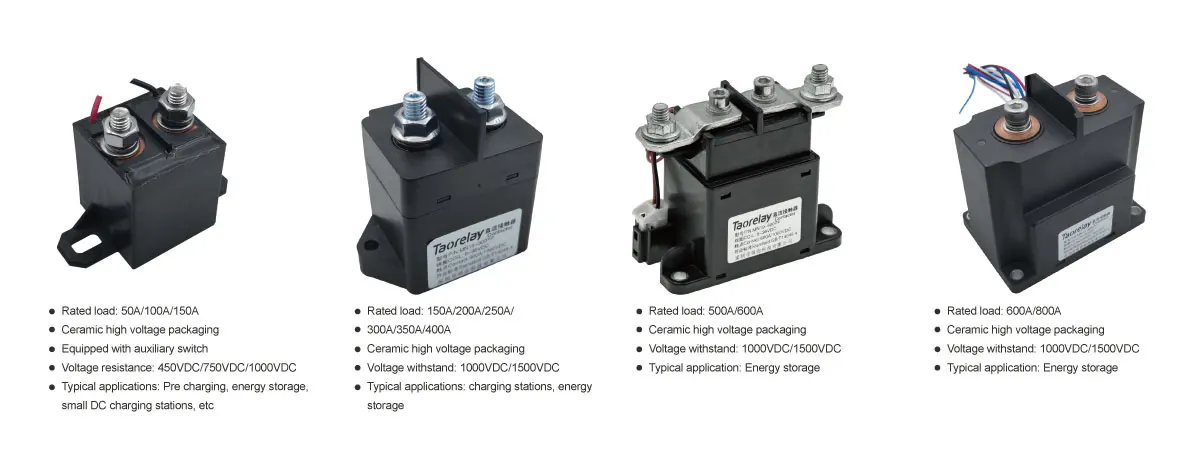
Key Technical Features of High Voltage Relay
1. High Voltage Insulation Design
- Dielectric Materials: Uses ceramics, specialty epoxy resins, or vacuum-sealed structures with breakdown voltages of 10–100kV.
- 爬电距离: Contact spacing and housing design comply with high-voltage insulation standards (e.g., IEC 60664).
- Arc Suppression: Magnetic blowout, vacuum interrupter, or SF6 gas filling to prevent contact erosion.
2. Special Contact Materials
- Erosion-Resistant Alloys: Tungsten-copper (W-Cu), silver-cadmium oxide (Ag-CdO) for high-voltage discharge and high-temperature resistance.
- Breaking Capacity: Can interrupt currents of several kA at voltages up to tens of kV (e.g., 10kV/50A).
3. Actuation Methods
- Electromagnetic Drive: High-voltage coils require specialized winding to prevent interlayer breakdown.
- Solid-State Drive: Optocoupler or fiber-optic isolation to protect low-voltage circuits from feedback.
4. Environmental Adaptability
- Ruggedized Design: Moisture, dust, and corrosion resistance (IP67 or higher).
- Wide Temperature Range: -40°C to +85°C (military-grade: -55°C to +125°C).
5. Safety Certifications
- Complies with UL, CE, GB/T, and other high-voltage electrical standards.
Major Application Fields of High Voltage Relay
1. Power Systems
- Smart Grids: Controls for high-voltage circuit breakers and capacitor banks.
- Substation Automation: Remote operation of disconnect switches and grounding switches.
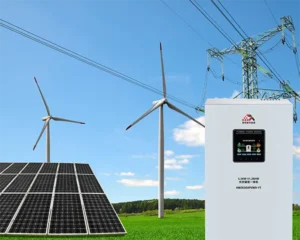
- Renewable Energy: PV inverters (1500V systems), wind power converters.
2. Industrial Equipment
- High-Voltage Power Supplies: Switching control for X-ray machines and laser power sources.
- Electrochemical Systems: Power switching in electrolyzers and electroplating equipment.
3. Research & Medical
- Particle Accelerators: High-voltage pulse power switching.
- Medical Imaging: Controls for CT/MRI high-voltage components.
4. Defense & Aerospace
- Radar Systems: High-voltage modulation in microwave transmitters.
- Spacecraft: Power management for ion thrusters.
5. Transportation & Energy
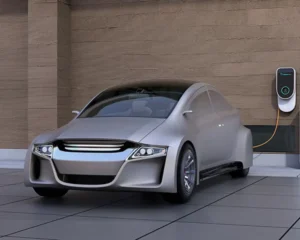
- Electric Vehicles: Circuit protection in fast-charging stations (800V platforms).
- Rail Transit: Traction converter and pantograph controls.
Typical Technical Parameters
| 参数 | Standard Range | High-End Models |
|---|---|---|
| 额定电压 | 1kV–15kV | 20kV–100kV |
| Breaking Current | 10A–100A | 200A–1kA |
| 绝缘电阻 | >1GΩ (at 1kV DC) | >10GΩ (at 10kV DC) |
| 机械寿命 | 10^4–10^5 cycles | 10^6 cycles (vacuum) |
| Response Time | 5ms–50ms | <1ms (hybrid solid-state) |
Challenges & Future Trends
- Current Limitations
- Size vs. Voltage Trade-off: Miniaturization is difficult at high voltages.
- Cost: Specialty materials (e.g., vacuum seals) are expensive.
- Innovation Directions
- Solid-State HVRs: Silicon carbide (SiC) devices replacing mechanical contacts.
- Smart Diagnostics: Integrated sensors for contact wear and insulation aging.
- Modular Design: e.g., ABB’s hybrid HVDC relays.
Selection Guidelines
- Power Systems: Vacuum relays (e.g., Siemens 3TL series).
- High-Frequency Switching: Solid-state HVRs (e.g., Crydom HV series).
- Harsh Environments: Ceramic-sealed military-grade models (e.g., TE Connectivity KILOVAC).
High voltage relays are critical components for energy transition and electrification, with their evolution directly impacting smart grids, renewables, and other strategic industries.